Professional College Chemistry Tutoring: Master Challenges and Succeed
Expert college chemistry tutoring is essential for helping students master the complexities of the subject. Many face challenges that can obstruct their academic performance. Customized tutoring offers targeted support, addressing specific gaps in understanding. This can lead to improved comprehension and problem-solving abilities. However, the journey to mastering chemistry encompasses more than just academic support. Examining the various aspects of effective tutoring can reveal deeper insights into student success.
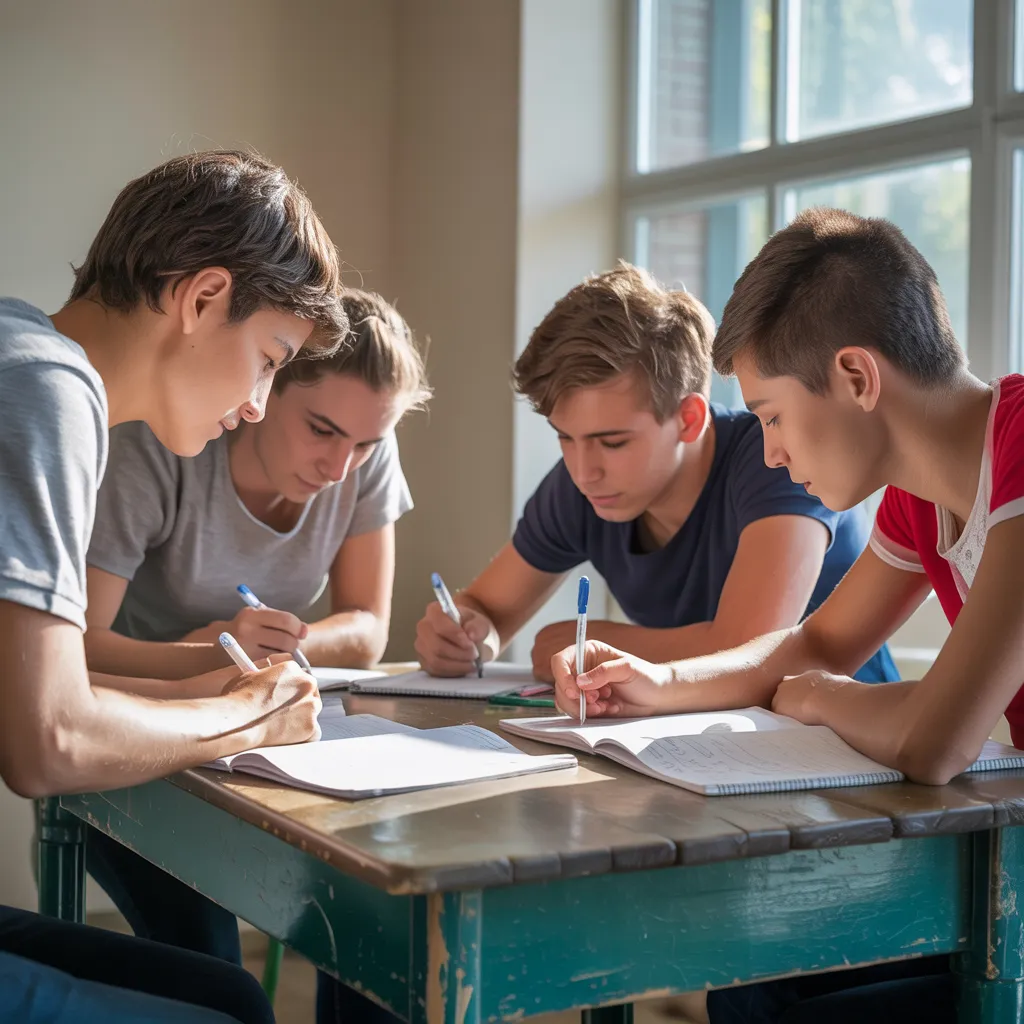
Comprehending the Importance of Chemistry Tutoring
Even though many students start college with a basic understanding of chemistry, they frequently encounter considerable challenges as coursework becomes more complex. This complexity can bring about confusion and frustration, making it crucial for students to seek additional support. Chemistry tutoring plays a essential role in bridging gaps in understanding and strengthening foundational concepts. Tutors provide personalized attention, permitting students to ask questions and discuss topics in depth, which enhances comprehension.
Moreover, tutoring sessions often focus on practical uses, assisting students relate theoretical knowledge to real-world scenarios. This connection cultivates a deeper appreciation for the subject and motivates learners to engage actively with the material. Additionally, tutors can offer strategies for effective study habits and problem-solving skills, providing students with the tools necessary for success. Eventually, chemistry tutoring serves as take action an invaluable resource, empowering students to navigate the challenges of their coursework and achieve educational goals.
Identifying Standard Difficulties in College Chemistry
College students confront a range of hurdles in college chemistry that can hamper their academic development. One important obstacle is the sophistication of chemical concepts, such as stoichiometry, thermodynamics, and molecular structures, which often demand a firm grasp of mathematics and critical thinking. Moreover, the fast pace of coursework can burden students, making it problematic to maintain pace with lectures and assignments. Laboratory work also creates issues, as students must put into practice theoretical knowledge in practical settings, which can result in confusion and frustration. In addition, the abstract nature of chemical reactions can make it problematic for students to conceptualize processes, hindering their understanding. Last but not least, many students struggle with time management, managing chemistry with other demanding subjects and extracurricular activities. Recognizing these prevalent problems is necessary for students aiming to boost their performance and reach success in college chemistry.

Advantages of Personalized Tutoring Methods
Customized tutoring strategies provide considerable perks for students wrestling with the challenges of college chemistry. These methods adapt instruction to suit individual learning preferences, seeing to it that students comprehend challenging concepts at their own pace. By concentrating on specific areas of difficulty, tutors can provide targeted support, boosting comprehension and retention of material. This one-on-one attention fosters a supportive learning space, boosting students' confidence and motivation.
In addition, personalized tutoring enables flexible scheduling, accommodating students' busy lives and allowing for consistent progress. Tutors can adapt their techniques following ongoing assessments, guaranteeing that each session remains applicable and effective. Furthermore, one-on-one interactions enable open communication, allowing students to voice their concerns and ask questions freely. As students receive timely feedback, they can rectify misunderstandings swiftly, further strengthening their knowledge base. On the whole, personalized tutoring approaches substantially improve the learning experience, paving the way for academic success in college chemistry.
Building Productive Study Habits and Strategies
Strong study habits and methods are vital for mastering the intricate concepts of college chemistry, as they enable students to engage with the material in a meaningful way. To reach academic success, students should create a consistent study schedule that allocates specific time blocks for reviewing lecture notes, reading textbooks, and practicing problem sets. Active learning methods, such as summarizing information in their own copyright or teaching concepts to peers, can enhance knowledge and retention.
Utilizing resources such as flashcards for vocabulary and key concepts, along with engaging with online simulations or videos, can even more reinforce understanding. Additionally, breaking down complex topics into smaller, manageable sections can eliminate overwhelming feelings and promote a sense of achievement. Regular self-assessment through quizzes and practice exams enables students to identify knowledge gaps and adjust their study plans accordingly. Eventually, these strategies foster a disciplined approach to learning chemistry, paving the way for academic success.
Cultivating Self-Confidence Through Personalized Support
College chemistry one-on-one tutoring provides personalized learning approaches that meet individual student needs. This customized assistance creates an environment where open communication can thrive, enabling students to share their worries and inquiries freely. Such interactions not only enhance understanding but also greatly build student confidence in their abilities.
Customized Educational Approaches
Even though numerous students struggle with the intricacies of college chemistry, customized learning approaches can significantly enhance their knowledge and confidence. Individualized tutoring centers around individual learning styles, permitting students to grasp difficult concepts at their own pace. By assessing a student's unique strengths and weaknesses, tutors can create customized lesson plans that address specific areas of difficulty. This not only promotes a deeper knowledge of the material but also establishes a sense of ownership over the learning process. Private support encourages students to ask questions comfortably, thereby addressing misconceptions without the pressure of a classroom environment. Eventually, individualized approaches develop resilience and a proactive attitude towards challenges, equipping students to achieve success in their chemistry studies.
Promoting Transparent Communication
In what ways can open communication reshape a student's learning experience in college chemistry? Open communication cultivates a supportive environment where students feel confident expressing their concerns and questions. This dialogue enables tutors to identify individual challenges and address them successfully, tailoring their teaching methods to meet specific needs. When students share their thoughts and concerns, they gain confidence and engage more deeply with the material. One-on-one interactions also create a safe space for constructive feedback, empowering students to refine their understanding without fear of judgment. Ultimately, this collaborative approach not only deepens comprehension of complex concepts but also encourages a growth mindset, empowering students to tackle complex subjects with tenacity and determination.
Building Reasoning Skills in Chemistry
Developing problem-solving competencies in chemistry demands a focus on cultivating analytical thinking and engaging with real-world situations. Students derive value from structured practice that challenges their understanding and application of chemical ideas. This approach not only enhances their reasoning abilities but also prepares them for practical cases they may encounter in their studies and future careers.
Building Systematic Thinking
Analytical reasoning represents the backbone of proficient problem-solving in chemistry, empowering students to dissect complex concepts and tackle challenging equations. This vital skill involves decomposing problems into workable parts, facilitating a structured approach to understanding and solving issues. By developing analytical thinking, students can identify patterns, evaluate data, and apply logical reasoning to diverse scenarios. This process fosters a deeper understanding of chemical principles, motivating students to question assumptions and explore alternative solutions. Furthermore, developing analytical thinking not only helps in mastering chemistry but also develops skills transferable to other disciplines. As students engage with intricate problems, they build self-assurance and resilience, essential attributes for academic success and beyond.
Working Through Actual Problems
Engaging with genuine problems forms a vital part of cultivating problem-solving abilities in chemistry. Tackling actual scenarios helps learners transfer abstract knowledge to concrete applications, solidifying their comprehension of essential ideas. Through addressing diverse challenges, students can recognize trends, formulate approaches, and refine their evaluative competencies. This hands-on approach fosters critical thinking, as students must evaluate data, formulate hypotheses, and draw conclusions based on empirical evidence. Furthermore, tackling authentic uses improves recall and readies learners for tests and subsequent studies. Including varied question collections, featuring lab-based exercises, fosters versatility and determination. As students gain confidence in their problem-solving abilities, they are well-positioned to manage intricate material and thrive in their chemistry coursework.
Cultivating a Permanent Interest in Chemistry After the Classroom
Even though countless students perceive chemistry as a sequence of formulas and equations restricted to the classroom, fostering a lasting interest in the subject requires a more interactive approach. To foster curiosity, educators can connect chemistry concepts to real-world applications, illustrating how they influence everyday life. Excursions to laboratories, museums, or chemical plants can supply practical insights, making the subject more relatable.
Incorporating hands-on practical activities and collaborative projects encourages students to investigate chemistry outside textbooks. Online resources, such as educational videos and interactive simulations, can also spark interest by permitting students to visualize complicated processes.
Moreover, launching discussions about modern scientific progress and environmental concerns can stimulate passion for the subject. By highlighting the relevance of chemistry in diverse careers and societal issues, educators can inspire students to pursue further studies and exploration, guaranteeing their engagement with the subject extends well beyond the classroom.
Popular Questions
What Credentials Should I Look for in a Chemistry Tutor?
While searching for a chemistry tutor, you should prioritize qualifications such as advanced degrees in chemistry, teaching experience, strong communication skills, and a solid track record of helping students reach their academic goals in the subject.
What Methods Can I Use to Track My Progress During Tutoring?
One can track progress during tutoring sessions by maintaining a log of topics covered, quiz results, and personal reflections. Regularly reviewing this log helps identify strengths, weaknesses, and areas requiring further focus or improvement.
What Should I Do When I Don't Understand a Topic?
When a student fails to grasp a concept, they should reach out to their tutor for help, examine relevant study materials, tackle related problems, or find extra learning tools. Continued efforts to get support often leads to better mastery and certainty.
What's the Ideal Frequency for Scheduling Tutoring Sessions?
Arranging tutoring sessions one to two times weekly typically produces optimal outcomes. This cadence facilitates ongoing concept consolidation while ensuring enough time for practice and assimilation of material into the student's academic routine.
Do Online Tutoring Sessions Work as Well as In-Person Ones?
Virtual tutoring sessions can be equally effective as face-to-face ones, provided the technology works properly and both tutor and learner engage meaningfully. Specific preferences and learning styles at the end of the day impact the effectiveness of either approach.